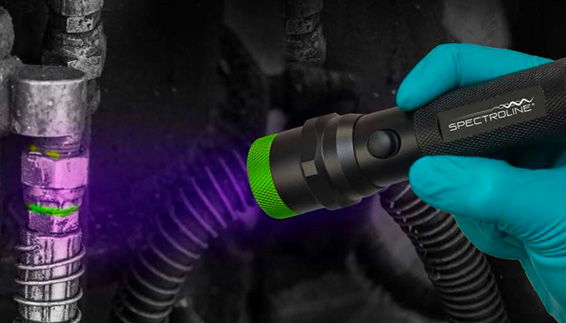
How Does A Fluorescent Dye Leak Detector Work Full Media Download #892
Unlock Now how does a fluorescent dye leak detector work pro-level digital media. No wallet needed on our streaming service. Delve into in a extensive selection of documentaries on offer in unmatched quality, essential for dedicated viewing gurus. With brand-new content, you’ll always get the latest. Encounter how does a fluorescent dye leak detector work chosen streaming in ultra-HD clarity for a remarkably compelling viewing. Be a member of our community today to experience restricted superior videos with at no cost, subscription not necessary. Get fresh content often and journey through a landscape of exclusive user-generated videos produced for top-tier media aficionados. Seize the opportunity for one-of-a-kind films—click for instant download! Indulge in the finest how does a fluorescent dye leak detector work rare creative works with exquisite resolution and select recommendations.
See examples of does used in a sentence. For example, “i do like pizza” or “they do not want to go.” on the other hand, use “does” with the third person singular pronouns He/she/it form of do 2
How Does A Fluorescent Dye Leak Detector Work
He/she/it form of do 3 Use “do” with the pronouns i, you, we, and they Present simple of do, used with he/she/it
Both do and does are present tense forms of the verb do
Which is the correct form to use depends on the subject of your sentence In this article, we’ll explain the difference between do and does, cover when and how to use each form, and provide examples of how they’re used in sentences. We’ve put together a guide to help you use do, does, and did as action and auxiliary verbs in the simple past and present tenses. Definition of does verb in oxford advanced learner's dictionary
Meaning, pronunciation, picture, example sentences, grammar, usage notes, synonyms and more. Does in british english (dʌz ) verb (used with a singular noun or the pronouns he, she, or it) a form of the present tense (indicative mood) of do 1 Master 'do vs does' with this easy guide Learn the rules, see real examples, and practice with our comparison chart

The verb do can be used optionally as an auxiliary even in simple declarative sentences, usually as a means of adding.
Understanding when to use “do” and “does” is key for speaking and writing english correctly