Menopause Leaky Bladder Updates To Private Media #967
Enter Now menopause leaky bladder unrivaled broadcast. Without subscription fees on our media hub. Plunge into in a huge library of videos offered in unmatched quality, the ultimate choice for deluxe viewing gurus. With new releases, you’ll always receive updates. Explore menopause leaky bladder chosen streaming in high-fidelity visuals for a genuinely gripping time. Get into our video library today to observe one-of-a-kind elite content with no charges involved, without a subscription. Get access to new content all the time and journey through a landscape of indie creator works produced for select media connoisseurs. You have to watch original media—get it in seconds! Enjoy the finest of menopause leaky bladder unique creator videos with breathtaking visuals and exclusive picks.
Menopause marks a significant transition in a woman’s life, bringing many physical and emotional changes Learn about causes and treatment. While hot flashes and mood swings are commonly discussed, many women face another challenging and often embarrassing symptom
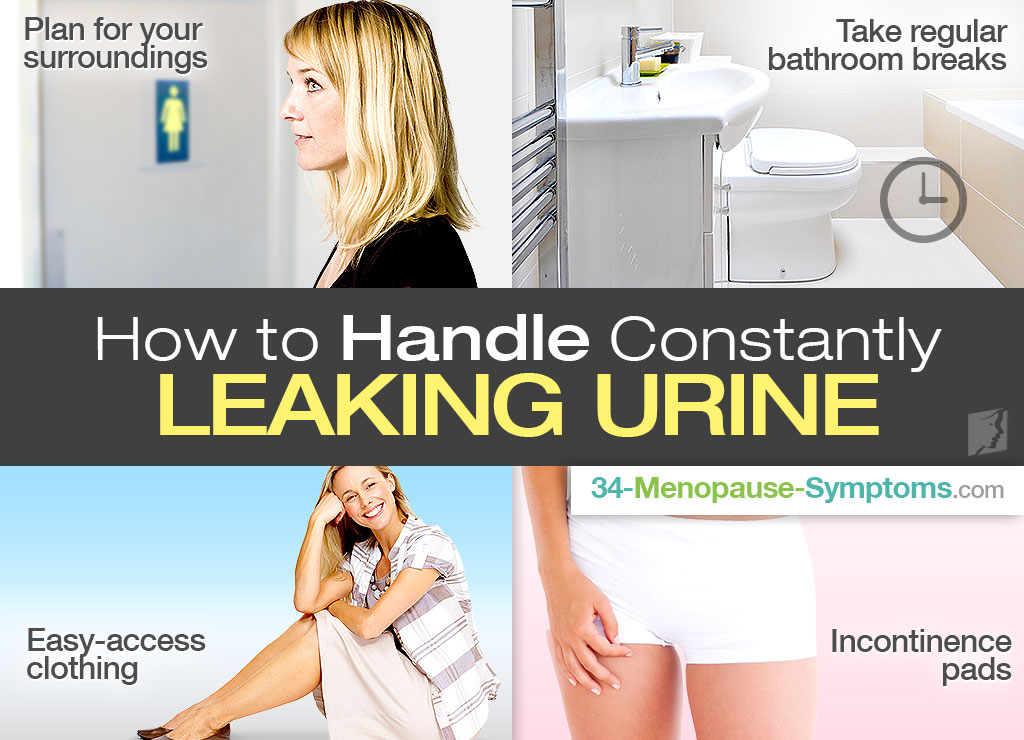
How to Handle Constantly Leaking Urine | Menopause Now
Problems like frequent urination, sudden urges to pee, and urinary leakage become more common during and after menopause, affecting daily. Urinary incontinence, or loss of bladder control, is more common in women during and after menopause Menopause can contribute to two primary types of urinary incontinence
Stress incontinence occurs when the muscles supporting the bladder and urethra are weakened
This leads to leakage during activities that put pressure on the bladder, such as coughing, sneezing, laughing, or exercising Urge incontinence is also known as overactive bladder. If you’ve been struggling to hold in your pee, as well as noticing other telltale signs of perimenopause, such as hot flashes, night sweats, and mood swings, your loss of bladder control could be menopause related Urinary incontinence is “the involuntary loss or leakage of urine or loss of control of your bladder,” says dr
Rachael sussman, a urologist/urogynecologist at medstar georgetown university hospital, answers our questions about menopause and urinary incontinence The relationship of hormone therapy with bladder health and lower urinary tract symptoms is more complex and requires a nuanced and individualized approach,” says dr Stephanie faubion, medical director for the menopause society For more information about menopause and healthy aging, visit www.menopause.org.